ARIVERSE

#AriReadsI read coz I have to read I read coz I have to read I read coz I have to read I read coz I have to read I read coz I have to read I read coz I have to read I read coz I have to read

5SO FAR
#AriReads
5SO FAR
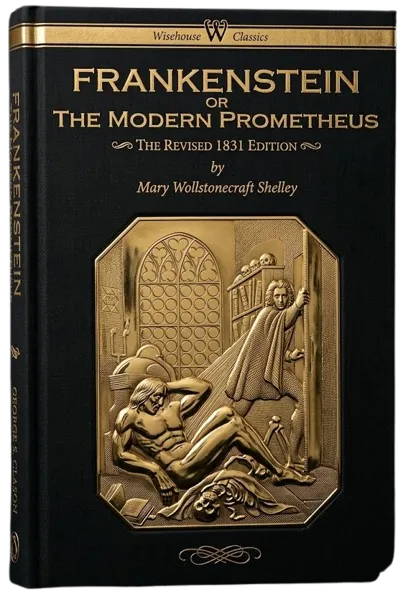
Frankenstein; or, The Modern Prometheus

1. Frankenstein; or, The Modern Prometheus

The book in its initial chapters revolves around Victor Frankenstein, a passionate scientist whose work shifts from scientific curiosity into an almost alchemical obsession with creating life, leading to an unorthodox experiment that results in the birth of a grotesque creature. Though it begins like a horror tale, it also raises deep questions about responsibility in science. The creature emerges as an emotional being suffering from abandonment and isolation, searching for meaning and even requesting a companion out of loneliness rather than malice, similar to Kuroni in Akilathirattu Ammanai asking Lord Shiva for a partner. Victor initially agrees to create a second being but ultimately destroys it before completion after fearing the consequences, leading both creator and creation into a cycle of grief, revenge, and tragedy.

Victor later dies of exhaustion, illness, and exposure while pursuing the creature during a rescue expedition. The creature, upon finding Victor dead, is overcome with remorse and sorrow and disappears into the Arctic wilderness, intending to end its own life so that no trace of its existence remains. Nowadays, humans create creatures like the Liger, which makes us reflect on similar questions. We must have a clear purpose for creation and be responsible for what we bring into existence. Let’s not be unorthodox.
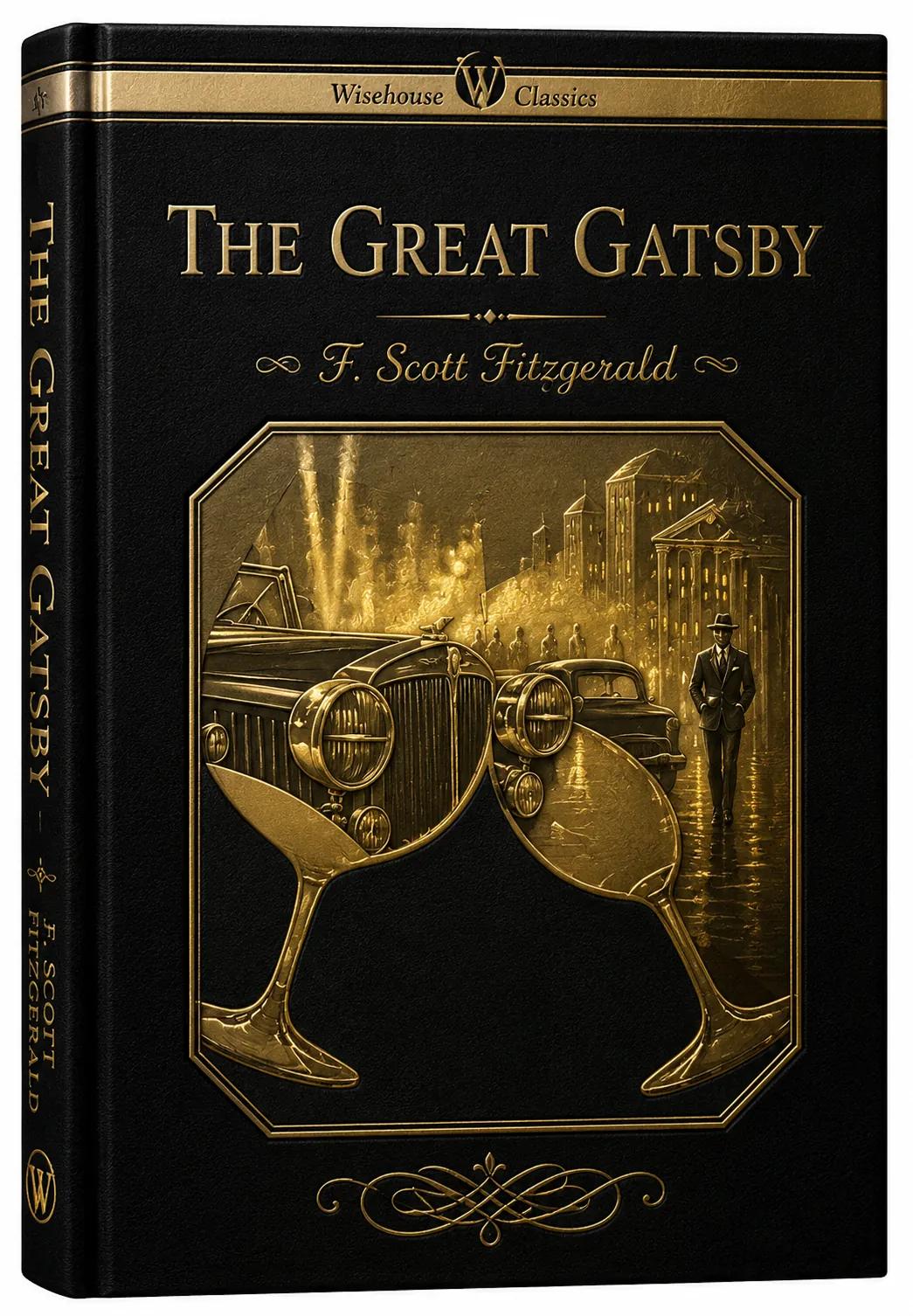

The Great Gatsby

2. The Great Gatsby

It was an evening I started reading this timeless love-luxury novel; I am into the book from Nick's point of view. He takes me to a luxurious place where the person everyone is wondering about is Gatsby; the richest. And that building belongs to him. He does all of this just to speak to a woman. Her name is Daisy, Gatsby's lover, but she married Tom, another rich man. But the sad part is, all that wealth is just a show. Gatsby throws these massive, wild parties every weekend hoping Daisy will just happen to walk in. Nick watches as Gatsby tries everything to win her back, but Daisy and Tom belong to a world of old money that is incredibly careless. They mess up lives and just hide behind their cash. The story ends in absolute tragedy when Gatsby is shot and killed in his own swimming pool, murdered for a crime he didn't commit. Nick tries to arrange a proper funeral for him, but despite the hundreds of people who used to party at his house, absolutely no one shows up. Gatsby dies completely alone, waiting for a phone call from Daisy that never comes, while she and Tom just pack up and leave town without a care. It is a heartbreaking proof that no matter how hard you try, you really can't buy back the past.

A Clockwork Orange

3. A Clockwork Orange

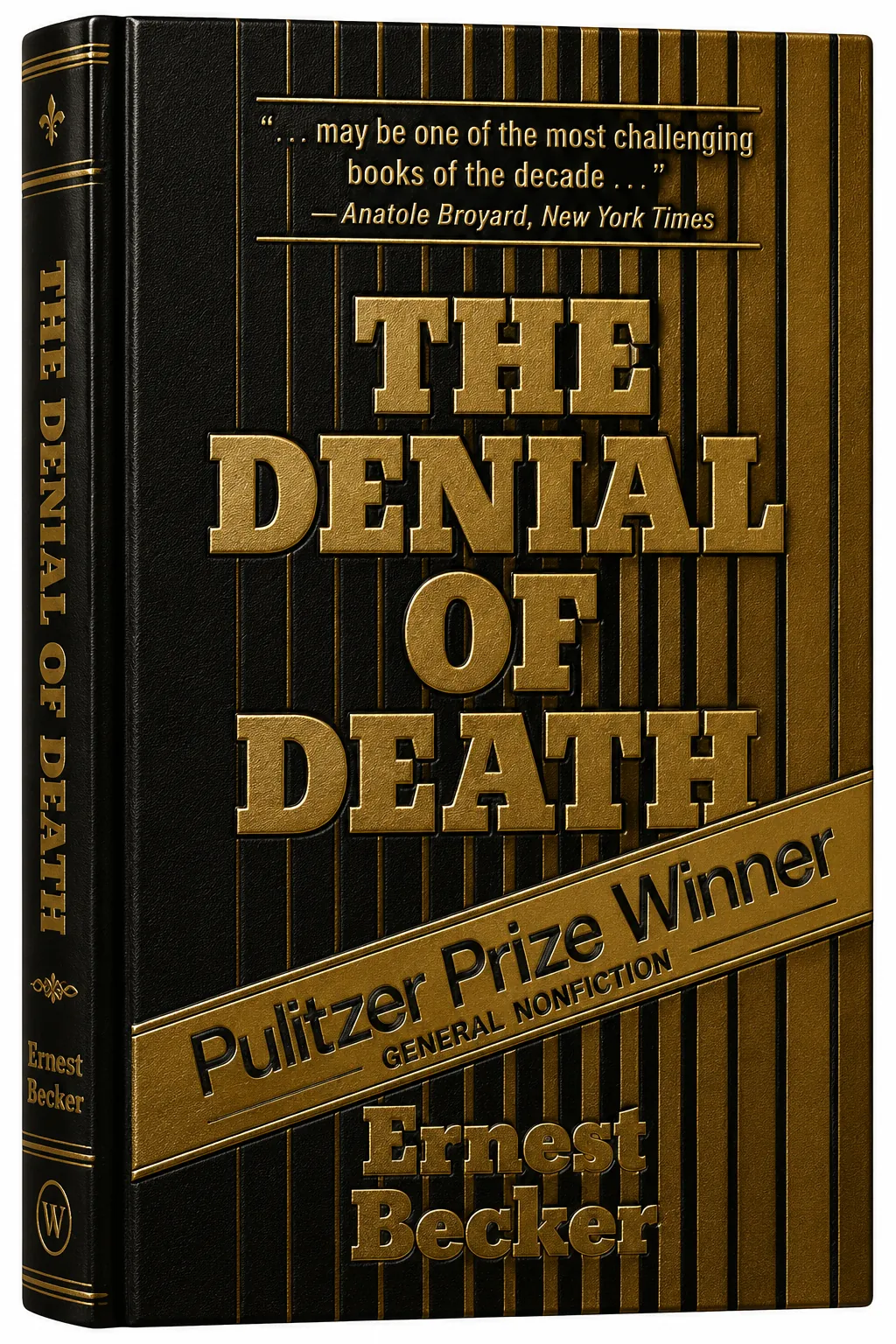
A Clockwork Orange is one of the favorite books I have ever read, experienced entirely through the eyes of Alex, who uniquely serves as both the protagonist and the main antagonist. He speaks directly to us, warmly calling us his friends, while speaking in a fascinating, invented slang called Nadsat where words like viddy mean to see. Strangely, as I read, I see a part of myself reflecting in Alex, as he commits terrible atrocities alongside his friends. He(Me) is a monster, yet he is deeply human, possessing a passionate, pure love for classical music and especially the works of Beethoven. This paradox is mentioned with the same example in The Denial of Death, a philosophical book I read. The story eventually becomes sad and truly life-changing as Alex undergoes a horrific government psychological treatment that strips away his free will, a punishment that feels absolutely terrible to witness. The book’s final chapter is missing in some editions, but when you read the complete story, the final journey Alex goes through is deeply moving. By the time the book ends, the profound transformation and the loss of his youth brought tears to my eyes.

One Hundred Years of Solitude

4. One Hundred Years of Solitude

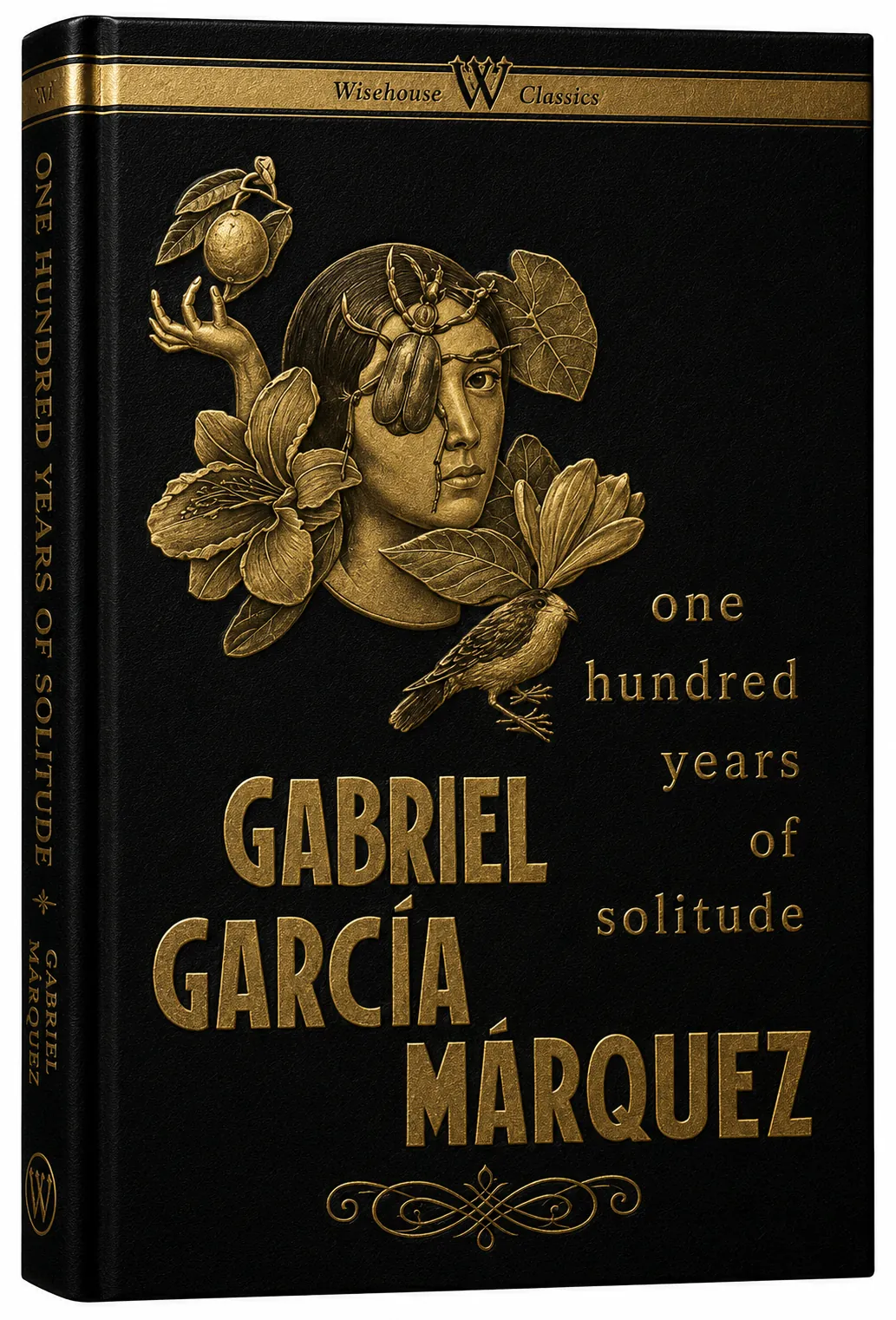
It was a night after 10 pm when I started reading One Hundred Years of Solitude, a timeless, magical novel, and I found myself completely captivated by the family history of Macondo. Úrsula Iguarán is the central character, a powerful matriarch who holds everything together with her bottomless energy. As the family tree grows from the original patriarch, José Arcadio Buendía, she watches generations of her children and grandchildren live, repeat the same tragic mistakes, and drift into intense loneliness. It all begins with a band of nomadic people settling in the swamp, and over a century, the town transforms from a pristine paradise into a place ruined by war and banana plantations. Throughout this history, the family members are driven by strange obsessions, like the lonely Aureliano spending his life learning to decipher ancient crypts and parchments written by the gypsy Melquíades. But through all the chaos, wars, and madness, Úrsula remains the steady anchor, living for well over a century to care for the house and keep her family's wild insanity in check. She is always terrified of a family curse that says a child born from incest will have a pig's tail. Tragically, as she grows old and loses her sight, the family line begins to decay exactly as feared, ending with a newborn baby possessing that very pigtail. The horrific prophecy finally fulfills itself when the first man of the Buendía line is tied to a tree, and the last man, that poor newborn baby, is left abandoned and eaten by ants. When the book ends and the entire Buendía dynasty is wiped from existence, the entire world became black for me.

An Immense World

5. An Immense World

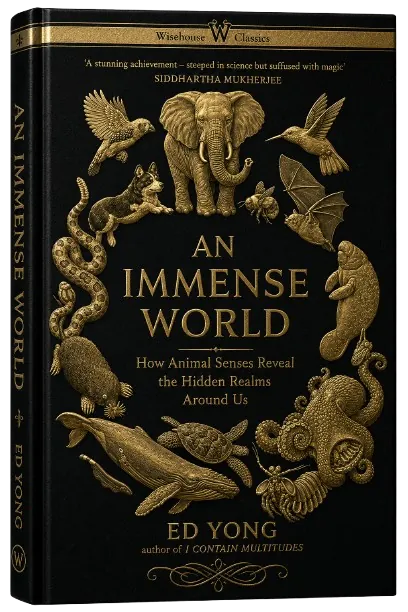
It was a weekend of May, a night after 10 pm, when I started reading *An Immense World*, a breathtaking book that completely shattered how I view the planet, diving deep into the secret sensory realms of animals. It completely captivated me, especially when it explored my absolute favorite parts of nature's hidden languages. I was fascinated to learn about the snake's split tongue, which acts like a biological GPS to map out scents in stereo, and how a dog's nose is so intricately inclined to detect a world of invisible stories in the air. The book beautifully contrasts the bat's precise echolocation with the incredible ways a moth disrupts it to survive. It even brought a wave of childhood nostalgia when it mentioned the treehopper, my favorite childhood insect, communicating through vibrations traveling silently through plant stems. The book reveals how a frog’s mating call frequency is tuned perfectly to the ears of its partner, how the crest of a peacock vibrates at a specific frequency to send secret signals during courtship, and how elephants feel low-frequency seismic rumblings through the very soles of their feet over miles of land. I was amazed by how a seal’s whiskers can track the invisible wake of a fish minutes after it has swum by, and how electric fish detect prey by sensing the slightest changes in the electrical fields around them. It is mind-blowing that a catfish basically uses its entire body as a tongue to taste the water around it. As the book weaves these wonders and so on, it makes you realize how blind we are to the magic around us. When the book ends, the entire world became black for me, leaving me in a state of quiet awe at the vast, invisible universes we live right alongside every single day.